בּוֹר
Hebrew word · FaithLabz word study
בּוֹר
bor
pit, cistern, prison
Often translated: pitcisterndungeonprisonwell
What bor means
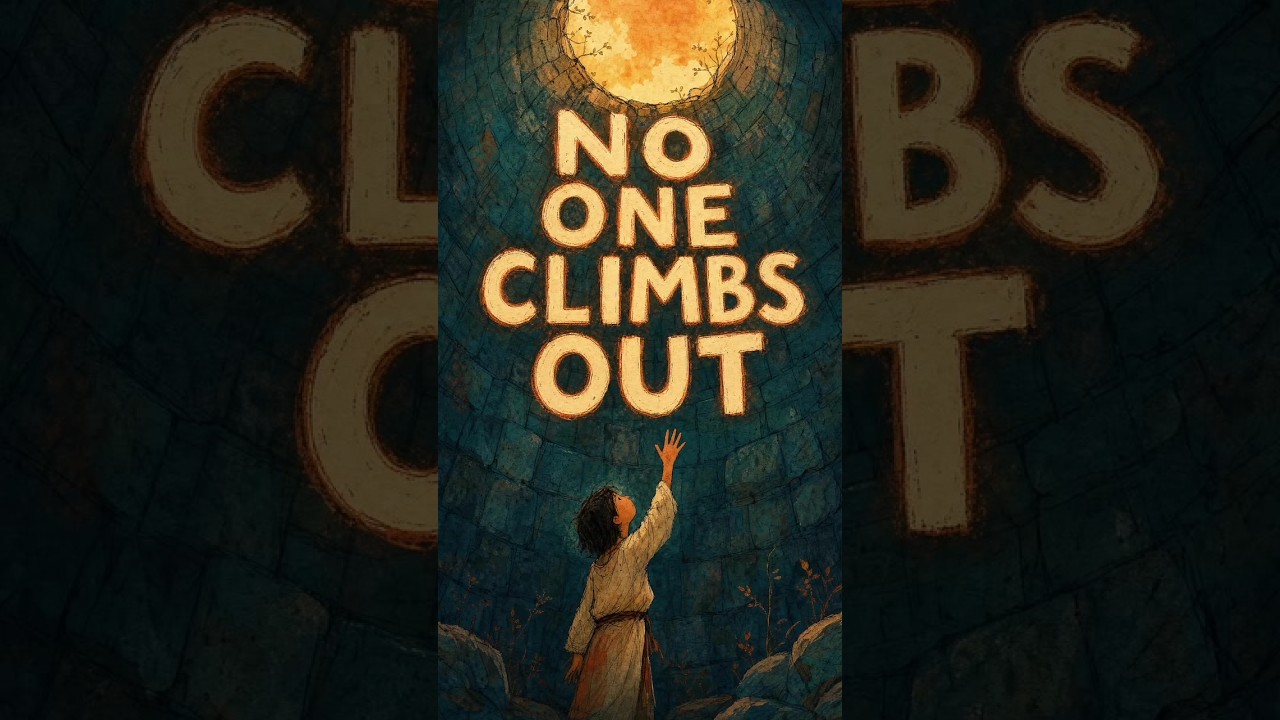
The Hebrew word בּוֹר (bor) names a hole cut or dug into the earth, typically a cistern carved from limestone to collect rainwater. That's the literal picture: a dark, sealed chamber below ground, often waterless by the dry season, with sheer walls and no footholds. You couldn't climb out. Someone had to reach down and pull you up.
Biblical authors carry that physical image into every metaphorical use of the word. When Joseph's brothers strip him and throw him into a bor, the text pauses to note it was empty, no water in it. That detail isn't geographical trivia. It's dread. A cistern with water at least sustains life. An empty one is just a tomb you haven't died in yet.
The Psalms press this image hardest. Psalmists cry out from the bor as the place of abandonment, the place where the dead go, the place cut off from God's presence and from any human help. Psalm 88 names it alongside Sheol and the grave. These aren't synonyms; they're a cluster of images pointing at the same terror: descent, darkness, silence, and separation.
Lamentations uses bor for the dungeon where Jeremiah is thrown. Isaiah uses it for the prison where captives sit in darkness. The word flexes across literal cisterns, figurative despair, and the death-realm itself, always carrying that same weight of being trapped below, unable to ascend, waiting for a hand from above.
Why this word matters
Most of us read the Joseph story or the Psalms of lament and let bor slide past us as a stage prop, just a hole in the ground. I read Psalm 40 for years as a poem about general trouble, vague spiritual struggle. Then I sat with the word bor and realized the psalmist isn't being poetic about a bad week. He's describing a place with no exit. No footholds. No water. No voice that reaches out.
That specificity is what makes the rescue real. When God lifts someone from the bor, he isn't tidying up a metaphor. He's reversing a death sentence. He's reaching into the place designed to hold you forever and pulling you out anyway. Many of us have been in that place. We need a word for it. Bor is that word.
Etymology
Bor comes from the root בָּאַר (ba'ar), related to digging or boring through stone. Its sibling word is be'er (בְּאֵר), meaning a well, which is also dug but typically has a water source and an opening. Bor tends toward the sealed, the empty, the imprisoning. The root family includes be'er as a place of resource and bor as a place of danger, two outcomes from the same act of digging into the earth.
Key Verses
Where bor appears in Scripture, and why each verse showcases it.
Genesis 37:24ESV
And they took him and threw him into a pit. The pit was empty; there was no water in it.
The redundancy, pit and then empty and then no water, isn't accidental. The narrator builds the sentence like a closing door, each phrase sealing Joseph's fate tighter. This is bor at its most physical and its most desperate.
Psalm 40:2ESV
He drew me up from the pit of destruction, out of the miry bog, and set my feet upon a rock, making my steps secure.
Bor here pairs with desolation and miry clay, stacking images of inescapable entrapment. The rescue is vertical and total, drawn up, set on rock, steps made firm. The contrast with the cistern's slick walls is everything.
Psalm 88:6ESV
You have put me in the depths of the pit, in the regions dark and deep.
This psalm never reaches a turn toward hope, making it the rawest use of bor in the Psalter. The psalmist addresses God directly as the one who placed him there. That accusation carries enormous theological weight about honest lament.
Zechariah 9:11ESV
As for you also, because of the blood of my covenant with you, I will set your prisoners free from the waterless pit.
God promises release from the waterless bor, the detail from Genesis 37 echoed here deliberately. Covenant blood is the basis for the rescue, connecting the image to atonement and redemption.
Lamentations 3:53ESV
They flung me alive into the pit and hurled stones on me.
This is bor as execution, the stones sealing the opening above. The speaker in Lamentations 3 voices the corporate suffering of Jerusalem, and bor becomes the image of a people buried alive by their enemies and their circumstances.
Related Words
Words in the same semantic family.
be'ersheolshachatbeten
1 Teaching on bor
Every video where Adam teaches on this word, in publication order.
Featured In
This word is studied in depth in the following monthly Bible studies.