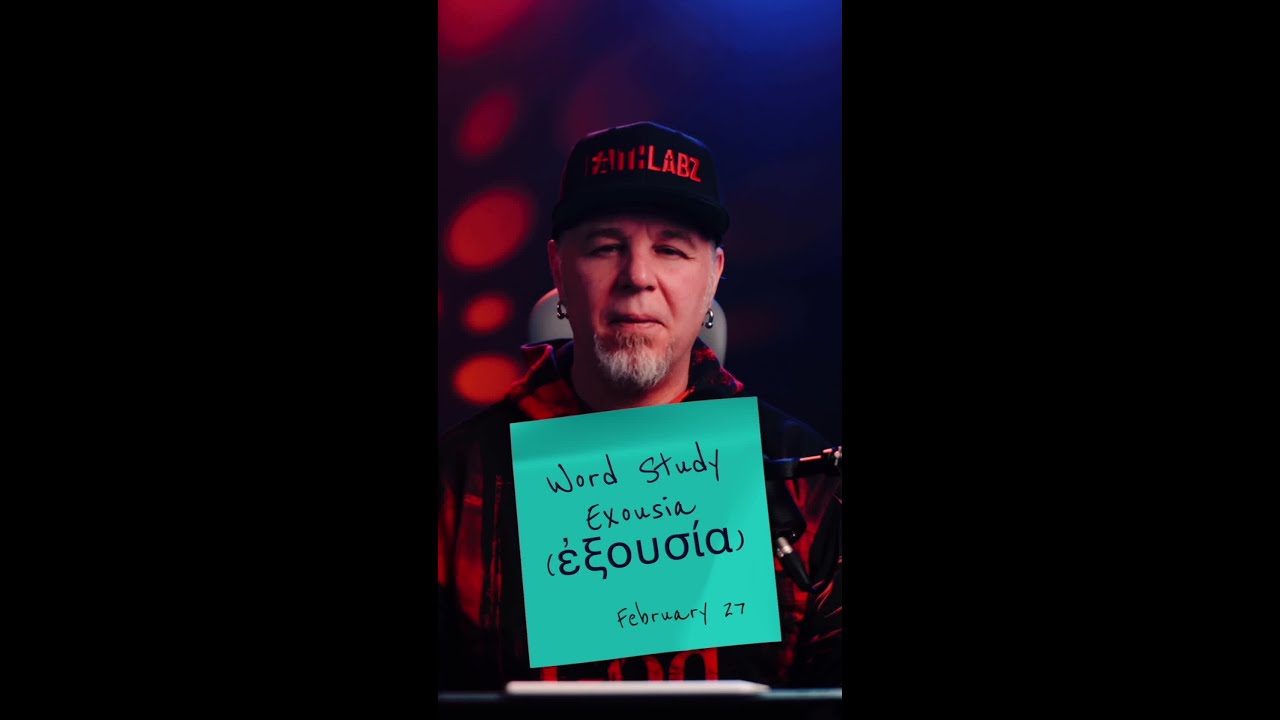
ἐξουσία
Greek word · FaithLabz word study
ἐξουσία
exousia
authority, power, right
Often translated: authoritypowerrightjurisdictionfreedom
What exousia means
The Greek word exousia carries three interlocking ideas that English collapses into one: the right to act, the freedom to act, and the power to carry it through. Picture a Roman proconsul holding a sealed letter from Caesar. The seal itself is exousia. It means he doesn't just have the muscle to do what he does; he has the authorization behind him. Without that backing, raw strength is just force. With it, even a quiet word reshapes a province.
Biblical writers felt this texture clearly. When the crowds said Jesus taught with exousia and not like the scribes, they weren't saying He spoke louder. They were saying He spoke as someone who owned the subject, someone for whom no higher court existed to confirm or deny His words. The scribes cited authorities. Jesus was the authority.
Paul uses exousia to describe the believer's freedom in Christ, the right a Christian holds over their own choices, and the governing structures God has set over human society. The same word covers a Roman emperor, a demonic principality, and your dinner plate decision about meat sacrificed to idols. That breadth isn't sloppy; it's theologically precise. All legitimate authority flows from one source, gets delegated downward, and will one day be rendered back. Exousia is always borrowed, always accountable, except when it belongs to the One who holds it by nature.
Why this word matters
Most of us read the word authority and think about position on an organizational chart. I did for years. So when I read that Jesus had authority over demons, I pictured rank, like a general outranking a soldier. But exousia isn't about rank in a hierarchy. It's about the source from which power legitimately flows. That reframes everything about how you read the Gospels. When Jesus gives His disciples exousia, He isn't promoting them. He's deputizing them, lending them something that originates entirely in Himself. And when Paul says every governing authority exists by God's appointment, he's not baptizing every government policy. He's saying that even human power only holds because God permits it to stand. Authority without that grounding isn't exousia. It's just pressure.
Etymology
Exousia is built from the preposition ek, meaning out of or from, and the verb eimi, to be. The compound ousia means being or essence, the stuff a thing is made of. So exousia literally reaches toward something like power flowing out from one's very being. The related verb exesti means it is lawful or it is permitted, which confirms that exousia always carries a legal, not merely physical, flavor. Compare dynamis, the Greek word for raw power or might, which is its frequent companion and contrast in the New Testament.
Key Verses
Where exousia appears in Scripture, and why each verse showcases it.
Matthew 7:29ESV
for he was teaching them as one who had authority, and not as their scribes.
The crowd uses exousia to describe something qualitatively different about Jesus, not just a style difference but a source difference. He taught as the origin of the law, not a student of it.
John 1:12ESV
But to all who did receive him, who believed in his name, he gave the right to become children of God,
The word translated right here is exousia. Receiving Christ doesn't just change your status; it grants you a legal standing before the Father that you could never manufacture yourself.
Matthew 28:18ESV
And Jesus came and said to them, All authority in heaven and on earth has been given to me.
The Great Commission rests entirely on this claim. Jesus grounds the command to make disciples in His own comprehensive exousia, making the mission's confidence inseparable from His person.
Romans 13:1ESV
Let every person be subject to the governing authorities. For there is no authority except from God, and those that exist have been instituted by God.
Paul uses exousia for both the abstract concept of authority and the concrete human governments that hold it, showing that all delegated power has a single upstream source.
Revelation 12:10ESV
And I heard a loud voice in heaven, saying, Now the salvation and the power and the kingdom of our God and the authority of his Christ have come,
Exousia appears here alongside kingdom and power in an eschatological declaration, showing that Christ's authority is not only present but moving toward a final, uncontested expression.
Related Words
Words in the same semantic family.
1 Teaching on exousia
Every video where Adam teaches on this word, in publication order.