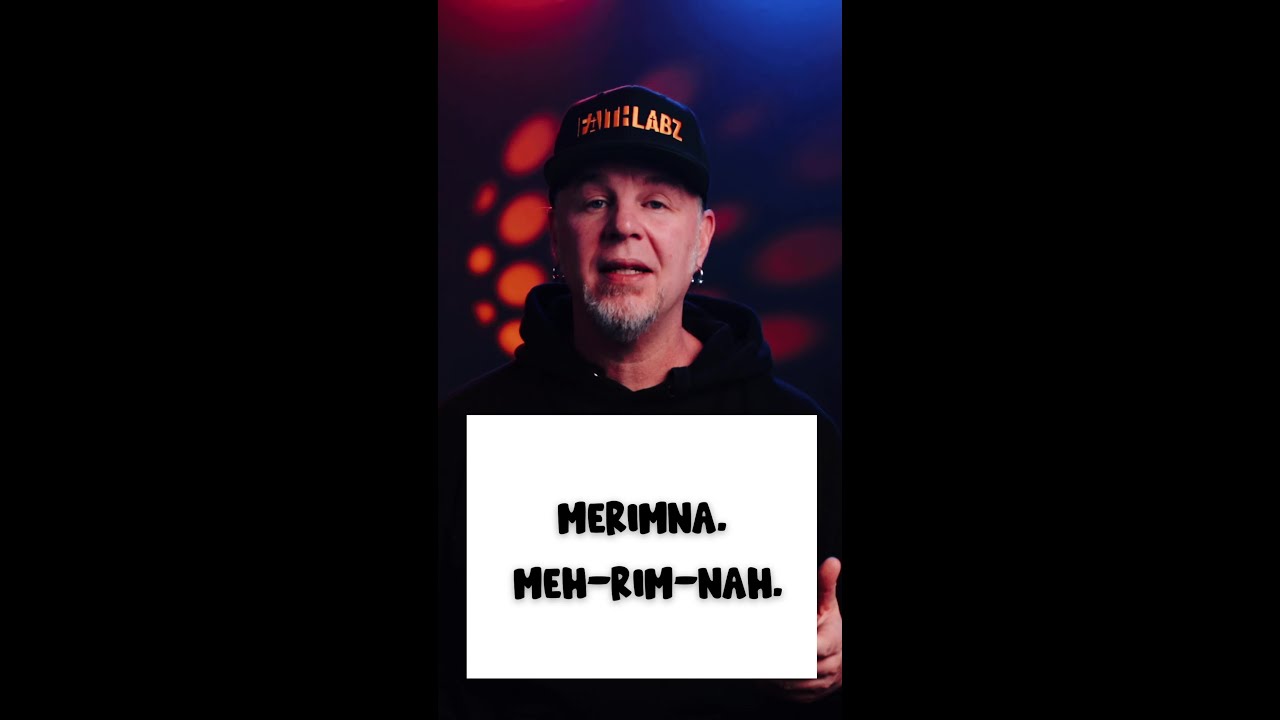
What merimna means
The Greek word merimna sits at the intersection of two ideas: to divide and to mind. Its root suggests a mind pulled in opposite directions, a person whose attention has been split and scattered. This isn't the calm, organized concern of someone planning carefully. It's the frantic mental state of someone whose thoughts have fragmented under pressure, circling the same fear over and over without resolution.
In everyday Greek usage, merimna described the weight of responsibility, the legitimate burden a person carries for others or for important matters. A shepherd carries merimna for sheep. A parent carries it for a sick child. So the word isn't inherently sinful. It names a real human experience of being stretched thin by things that genuinely matter.
But in the New Testament, merimna almost always signals a dangerous condition. When Jesus names it in the Sermon on the Mount and the Parable of the Sower, he treats it as a choking force, something that crowds out the word of God and kills spiritual fruitfulness. Paul's use in Philippians 4 sets merimna directly against prayer, presenting anxious division of the mind as the default human posture that the peace of God is designed to replace.
The picture that emerges is not weakness or sin so much as misplaced weight-bearing. Merimna happens when you carry tomorrow's load today, when you mentally rehearse every disaster before any of them arrive. Jesus doesn't scold people for having it. He redirects them toward a Father who already sees, already knows, already provides.
Etymology
Merimna derives from the verb merimnao, which itself connects to merizo, meaning to divide or distribute. The root meros means a part or portion. So merimna literally captures the experience of a mind divided into parts, pulled toward competing anxieties simultaneously. Related forms include merimnao (the verbal form, to be anxious) and amerimnia, the freedom from anxiety that merimna's absence produces. The semantic family consistently points to division rather than darkness.