πολίτευμα
Greek word · FaithLabz word study
πολίτευμα
politeuma
citizenship, commonwealth
Often translated: citizenshipcommonwealthcolonyhomelandconstitution
What politeuma means
Politeuma carries more weight than a passport. The word comes from the Greek political world and refers to the governing body or constitutional order of a city-state, the structured community of citizens who share a common law, a common identity, and a common lord. It is not merely the status of belonging somewhere. It is the active, organized life of a people defined by their polis, their city.
In the ancient world, a politeuma could describe a colony of citizens living far from their home city but still governed by that city's laws. Roman soldiers stationed in Philippi were a vivid example. They ate Roman food, kept Roman courts, wore Roman dress, and answered to Rome, even while standing on Macedonian soil. They were outposts of a distant government.
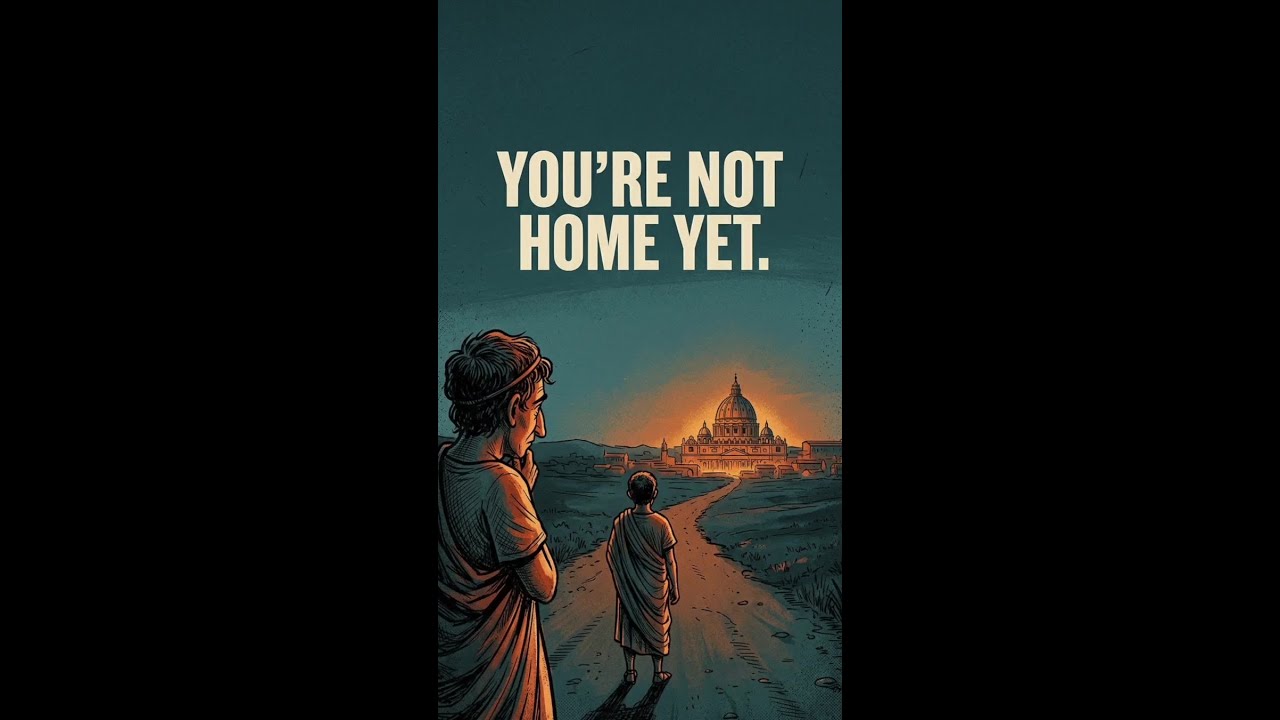
Paul writes to the Philippians, themselves citizens of a proud Roman colony, and borrows this exact image. Our politeuma, he says, is in heaven. Not 'we are headed there someday.' We are already enrolled. Already governed. Already obligated. The laws, loyalties, and longings of our true city shape us now, today, in the present tense.
This word refuses the idea that Christian hope is purely future escape. It insists that heaven's government has already planted a colony here. You are not a tourist waiting for a flight home. You are an ambassador living under orders from a king who is coming to reclaim the territory where you now stand.
Why this word matters
Most of us read Philippians 3:20 as a comfort verse about heaven being our future home. I read it that way for years. It felt like a promise that one day we would finally get out of here. But politeuma is not about escape. It is about allegiance right now. The Philippian believers lived inside a city obsessed with Roman identity, Roman honor, Roman belonging. Paul looked at that and said your enrollment is somewhere else, and that enrollment makes demands on you today. Your loyalties, your calendar, your money, your hope, they are all organized by a different city's constitution. That is not an escape hatch. That is a calling. And it is heavy.
Etymology
Politeuma derives from polites, meaning citizen, which comes from polis, meaning city or city-state. The root polis generates a rich family: politeia (citizenship, constitution), politeuo (to live as a citizen, to conduct oneself), and politikos (relating to civic life, from which English gets 'politics'). All of these words orbit the foundational Greek conviction that human identity is inseparable from membership in an ordered community under shared governance.
Key Verses
Where politeuma appears in Scripture, and why each verse showcases it.
Philippians 3:20ESV
But our citizenship is in heaven, and from it we await a Savior, the Lord Jesus Christ,
This is the only New Testament use of politeuma, and it lands with full force in a letter addressed to believers in Philippi, a Roman colony where civic identity was currency. Paul inverts their entire framework of belonging.
Philippians 1:27ESV
Only let your manner of life be worthy of the gospel of Christ, so that whether I come and see you or am absent, I may hear of you that you are standing firm in one spirit, with one mind striving side by side for the faith of the gospel,
The phrase 'manner of life' translates politeuesthe, the verb form of the same root, meaning to live as a citizen. Paul opens this letter by calling Philippians to conduct themselves as citizens of the gospel before he names the city they belong to.
Ephesians 2:19ESV
So then you are no longer strangers and aliens, but you are fellow citizens with the saints and members of the household of God,
Paul uses the related word sympolitai, fellow citizens, to describe the Gentiles' new standing. The politeuma framework shows that this inclusion is not symbolic. It is a change of governing city.
Hebrews 11:13-14ESV
These all died in faith, not having received the things promised, but having seen them and greeted them from afar, and having acknowledged that they were strangers and exiles on the earth. For people who speak thus make it clear that they are seeking a homeland.
Though politeuma does not appear here, this passage gives the lived texture of what it means to hold heavenly citizenship in an earthly address. The patriarchs organized their entire lives around a city they had not yet entered.
Revelation 21:2ESV
And I saw the holy city, new Jerusalem, coming down out of heaven from God, prepared as a bride adorned for her husband,
The consummation of politeuma: the city that governs its citizens now descends to claim the earth. Heaven does not absorb us upward. The capital relocates.
Related Words
Words in the same semantic family.
2 Teachings on politeuma
Every video where Adam teaches on this word, in publication order.
Featured In
This word is studied in depth in the following monthly Bible studies.