FaithLabz
Hebrew word · FaithLabz word study
רוח

ruach

breath, spirit, wind

Often translated: spiritwindbreathminddisposition

What ruach means

Ruach sits at the intersection of three realities that Hebrew never separates the way we do: breath, wind, and spirit. The word names something you cannot hold but cannot live without. In its most physical register, ruach is the air moving in and out of your lungs, the wind bending the grass on a hillside, the breath of God that animated the first man's nostrils. But Hebrew thought did not fence off the physical from the spiritual, and ruach carries that wholeness with it everywhere it appears.

When the ruach of God moves over the face of the deep in Genesis 1:2, you are meant to feel both the wind and the Spirit at once, not choose between them. When Elijah runs to the wilderness and lies down exhausted, it is the ruach of God that eventually sends him back to the work. The word names whatever animating force makes the difference between a body that moves and a body that does not, between a nation with courage and a people broken by fear.

Ruach also describes human emotion and inner disposition. Proverbs speaks of a broken ruach as the deepest kind of wound, deeper than a broken body. Numbers describes Caleb as having a different ruach, a different spirit inside him, which is what made him willing to trust God when ten others would not. The word stretches from meteorology to theology without losing its breath, which is itself the point. God's presence is never inert. Wherever ruach appears, something is moving.

Why this word matters

Most of us grew up thinking spirit and wind were just two different English words that happened to share a translation. I read past the ruach of Genesis 1:2 for years, picturing something vague and ghostly rather than something powerful and physical, the way a storm front feels before it hits. But the biblical writers chose one word deliberately. They wanted you to know that God's Spirit moves the way wind moves: you feel the effect before you see the source, and you cannot make it stop or start on your own schedule. That matters when you are praying for something that feels as unlikely as breathing new life into dry bones. Ruach is what does that work.

Etymology

Ruach comes from a root meaning to blow or breathe, sharing its basic shape with the verb ruach used rarely but pointedly in Scripture for the act of breathing and smelling. Its cognates appear across Semitic languages: Arabic ruh carries the same breath-spirit range. Related Hebrew forms include the noun form used for the four winds and the verb form describing relief or spaciousness, giving ruach a semantic family that spans direction, breath, freedom, and life-force.
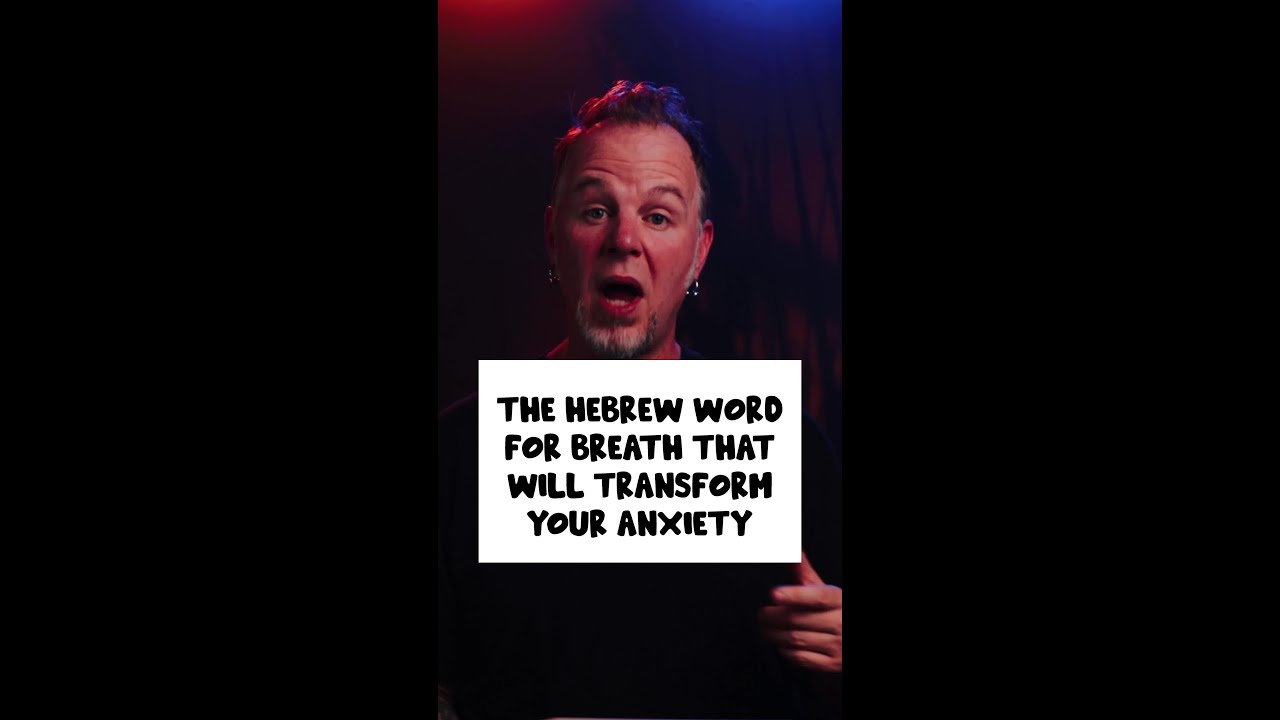
Key Verses

Where ruach appears in Scripture, and why each verse showcases it.

Genesis 1:2ESV
The earth was without form and void, and darkness was over the face of the deep. And the Spirit of God was hovering over the face of the waters.

The ruach of God hovers here like a bird over a nest or a wind over open water, the first creative act in Scripture is a movement of ruach before a single word is spoken.

Ezekiel 37:9ESV
Then he said to me, 'Prophesy to the breath; prophesy, son of man, and say to the breath, Thus says the Lord God: Come from the four winds, O breath, and breathe on these slain, that they may live.'

Ruach appears three times in one verse as breath, wind, and life-giving spirit simultaneously, the clearest single verse showing how the word refuses to be split into neat categories.

Psalm 51:10-11ESV
Create in me a clean heart, O God, and renew a right spirit within me. Cast me not away from your presence, and take not your Holy Spirit from me.

David uses ruach for both the inner renewal he begs for and the Holy Spirit he fears losing, holding the personal and the divine in one breath.

Numbers 14:24ESV
But my servant Caleb, because he has a different spirit and has followed me fully, I will bring into the land into which he went, and his descendants shall possess it.

A different ruach inside Caleb produced a different life on the outside, the word here names the inner orientation that determined his entire destiny.

Proverbs 18:14ESV
A man's spirit will endure sickness, but a crushed spirit who can bear?

Ruach here is the load-bearing inner life of a person, and the verse insists that a wounded ruach is a heavier burden than any physical suffering.

Related Words

Words in the same semantic family.

1 Teaching on ruach

Every video where Adam teaches on this word, in publication order.