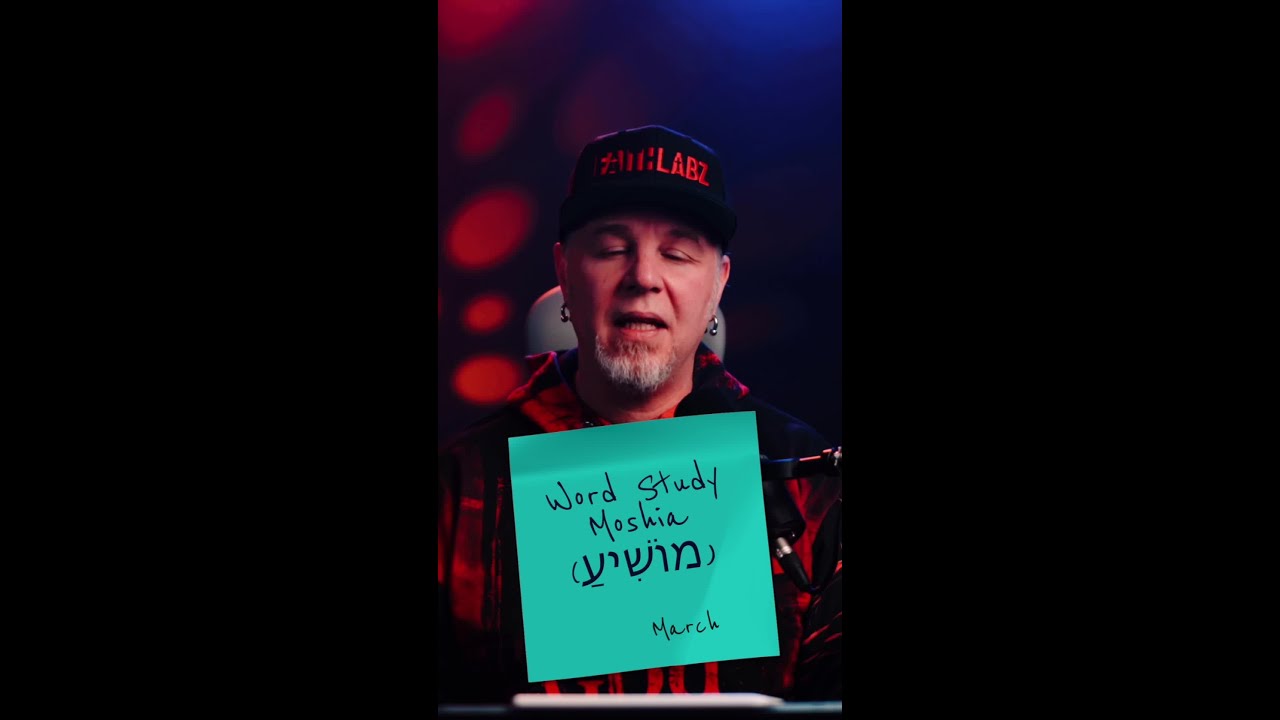
מוֹשִׁיעַ
Hebrew word · FaithLabz word study
מוֹשִׁיעַ
moshia
savior, deliverer
Often translated: saviordelivererone who savesrescuerliberator
What moshia means
Moshia is a participle form of the verb yasha, meaning one who saves, one who delivers, one who brings into a wide and open space. That last image is not poetic decoration. The root yasha carries the sense of movement from constriction into room to breathe. A moshia is the agent who causes that movement. He pulls you out of the narrow place and sets you in the open field.
In Hebrew thought, salvation was never primarily about the afterlife. It was about rescue from present, visible, crushing danger. A moshia showed up when enemies surrounded a city, when a judge rose to deliver a tribe from oppressors, when a king led armies against foreign powers. The word is concrete and muscular. It smells like a battlefield.
But the prophets expanded the word's horizon. Isaiah especially loads moshia with weight that no human deliverer could carry. In Isaiah 43 and 45, God himself steps into the participle and claims the title. No one else qualifies. No foreign god, no military hero, no king of Israel. Only YHWH is called the moshia of his people in those texts. The word becomes a divine title, not a job description.
By the time the New Testament opens, Jewish readers hearing Yeshua, Jesus, the Greek form of Joshua, which shares the same root yasha, would have felt the echo immediately. The name itself announces the function. The moshia has arrived in the flesh.
Why this word matters
Most of us read the word savior and hear a purely spiritual category, something about souls going to heaven. I did for years. I had completely severed the word from its physical, historical, urgent meaning in Hebrew. But moshia is a word born in crisis. It belongs to people with their backs against a wall, people who needed someone to show up and change the situation by force of strength and love. When Isaiah calls God the moshia of Israel, he is not offering a theology seminar. He is speaking to exiles who have lost everything. The word carries their tears. When you read it that way, and then watch Jesus walk into the Gospels, you feel the weight of what has actually arrived.
Etymology
Moshia derives from the hiphil participle of yasha, a verb meaning to save or deliver. The hiphil stem in Hebrew signals causative action, so the moshia is literally one who causes salvation. Related forms include yeshua, the noun for salvation and the personal name Jesus, and teshuah, another noun for deliverance. The semantic family clusters around rescue, space, and freedom from constraint. Joshua, Hosea, and Isaiah all share this root.
Key Verses
Where moshia appears in Scripture, and why each verse showcases it.
Isaiah 43:11ESV
I, I am the LORD, and besides me there is no savior.
God speaks in the first person and takes the title moshia exclusively. No human deliverer, no idol, no foreign power qualifies. The exclusivity here is absolute and deliberate.
Isaiah 45:21ESV
And there is no other god besides me, a righteous God and a Savior; there is none besides me.
The pairing of righteous and moshia is theologically dense. Salvation flows from God's character, not just his power. He saves because he is just, not despite it.
Judges 3:9ESV
But when the people of Israel cried out to the LORD, the LORD raised up a deliverer for the people of Israel, who saved them, Othniel the son of Kenaz, Caleb's younger brother.
This is the moshia in its most earthy form. God raises up a specific man to deliver a specific people from a specific oppressor. Salvation here is historical and physical.
Hosea 13:4ESV
But I am the LORD your God from the land of Egypt; you know no God but me, and besides me there is no savior.
Hosea echoes Isaiah's exclusive claim and ties it to the Exodus. God's identity as moshia is rooted in what he has already done in history, not just what he promises.
Luke 2:11ESV
For unto you is born this day in the city of David a Savior, who is Christ the Lord.
The Greek soter translates the Hebrew moshia here. The angel's announcement to shepherds rings with centuries of prophetic expectation. The one the prophets said only God could be has been born in Bethlehem.
Related Words
Words in the same semantic family.
1 Teaching on moshia
Every video where Adam teaches on this word, in publication order.