מוֹטָה
Hebrew word · FaithLabz word study
מוֹטָה
motah
pole or staff
Often translated: poleyokestaffbarcarrying pole
What motah means
The Hebrew word motah (מוֹטָה) carries the physical image of a carrying pole, the kind of wooden bar laid across the shoulders of two people to bear a heavy load between them. In its most literal sense, it names that horizontal beam used to transport burdens, sometimes the ark, sometimes heavy goods, sometimes prisoners of war bound to a yoke-pole. But the biblical authors rarely let motah stay merely physical. The word migrates quickly into the vocabulary of oppression and liberation. A yoke-bar pressed across the neck of a conquered nation becomes the central metaphor for servitude, and when God promises to break that bar, he is promising more than carpentry. He is promising a whole reversal of the social and spiritual order. Isaiah uses motah to describe both the wooden beam of oppression crushing Israel and the messianic promise of its shattering. Leviticus uses it concretely when the spies from Canaan suspend a single cluster of grapes between two men on a carrying pole, an image of abundance so heavy it takes two men to carry it home. So motah holds two worlds at once: the crushing weight of bondage and the impossible, staggering weight of blessing. Both realities require the same wooden pole. The question the word always asks is: what is being carried, and who ordered it placed there?
Why this word matters
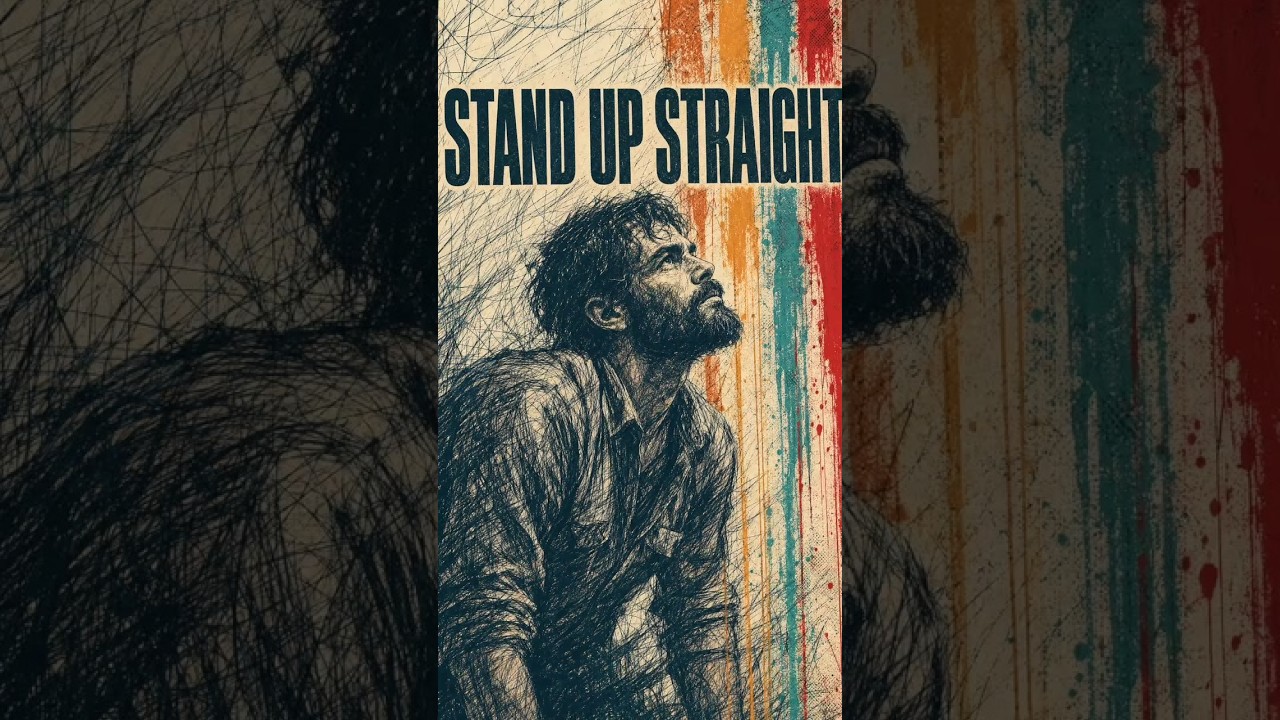
Most of us read 'pole' or 'staff' and move on, picturing something ceremonial or decorative, something from a museum case. I did the same thing for years. I missed that every time motah appears, someone is carrying something almost too heavy to bear. The spies buckle under Canaan's grapes. Enslaved nations buckle under conquerors' yoke-bars. The word is always asking: what load is bending your back right now, and is God the one who placed it there, or is it a yoke an enemy fastened on you that he fully intends to break? That distinction is not semantic. It is the difference between endurance and liberation, between a burden God sustains you through and a chain he is coming to shatter.
Etymology
Motah derives from the root נָטָה (natah), meaning to stretch out, extend, or incline. The sense is of something elongated, laid across, or extended between two points. Related forms include מֹט (mot), a shaking or tottering, and מַטֶּה (matteh), the staff or tribe-rod of a leader. This semantic family consistently evokes extension, weight, and bearing. The shift from natah to motah follows a standard Hebrew noun pattern, preserving the root idea of something stretched out under pressure.
Key Verses
Where motah appears in Scripture, and why each verse showcases it.
Numbers 13:23ESV
And they came to the Valley of Eshcol and cut down from there a branch with a single cluster of grapes, and they carried it on a pole between two of them; they also brought some pomegranates and figs.
This is motah in its most concrete form: a physical carrying pole strained under the weight of Canaan's abundance. The image establishes that divine promise can be so heavy with blessing that it takes more than one person to carry it home.
Isaiah 58:6ESV
Is not this the fast that I choose: to loose the bonds of wickedness, to undo the straps of the yoke, to let the oppressed go free, and to break every yoke?
The yoke-bar vocabulary here is inseparable from motah's semantic world; God frames true worship as the physical dismantling of the carrying-pole of oppression placed on the vulnerable.
Leviticus 26:13ESV
I am the LORD your God, who brought you out of the land of Egypt, that you should not be their slaves. And I have broken the bars of your yoke and made you walk erect.
God's identity as deliverer is defined here by the breaking of the motah-pole; the exodus is not merely geographic escape but the physical snapping of the bar that forced a people to walk bent.
Ezekiel 34:27ESV
And the trees of the field shall yield their fruit, and the earth shall yield its increase, and they shall be secure in their land. And they shall know that I am the LORD, when I break the bars of their yoke, and deliver them from the hand of those who enslaved them.
Ezekiel pairs the breaking of the yoke-pole with agricultural abundance, echoing the Canaan grapes of Numbers 13; liberation and fruitfulness arrive together when God dismantles what crushed his people.
Nahum 1:13ESV
And now I will break his yoke from off you and will burst your bonds asunder.
God speaks directly to a crushed nation, and the shattering of the carrying-pole is his personal promise; motah's breaking here is an act of divine hands, not human strategy.
Related Words
Words in the same semantic family.
mattehmotnatahol
2 Teachings on motah
Every video where Adam teaches on this word, in publication order.
Featured In
This word is studied in depth in the following monthly Bible studies.